
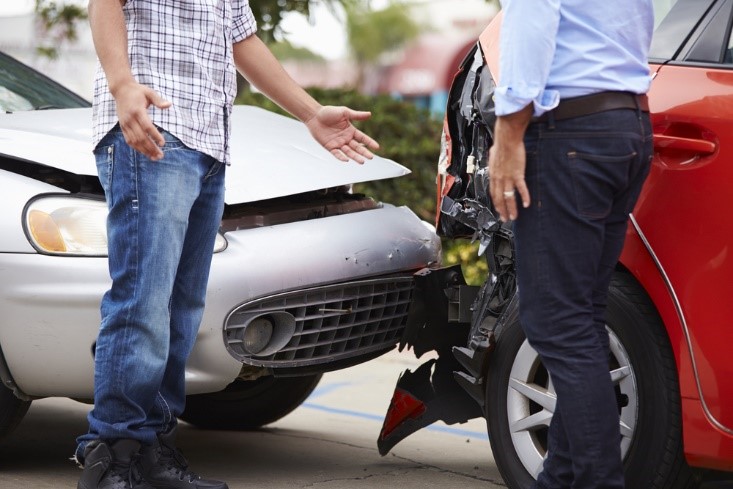
If you’ve been in an accident or an insured event, you may be wondering if you can claim from the other party involved or if they can claim from you? Who decides who was responsible, and what are your rights? Find out everything you need to know here.
What is Third-Party Insurance?
A third party insurance policy is the least expensive form of car insurance available. In case you cause damages to another person, car, or property, this policy provides compensation for them.
What Does it Cover?
Third-party insurance doesn’t cover repair costs, treatment costs, and any damages to your own vehicle, property, or person. It is there to cover claims made against you by anyone else involved in the accident. For example, if the other person in the accident feels you are responsible, they can claim against you for the damage to their vehicle.
Can I Make a Third-Party Claim?
If you have been involved in an accident but were not at fault, you may claim for damage, loss, or death and injury from the other party involved. They may also be able to claim from you if you caused the accident. To make a third-party claim against another party, you need to be able to prove exactly how much loss or damage you sustained because of the incident.
Who Needs to Prove the Extent of Damage and Loss?
In South Africa, the onus is on the claimant to prove that the person they are claiming against caused the damage and loss. They should also be able to prove the extent of the loss and damage. If you are insured, your insurer can often step into this role.
Can I Claim Directly from the Third Party’s Insurer?
In South Africa, you are not necessarily entitled to do so, no. It is better to claim against the responsible party themselves. They can, in turn, communicate with their insurer to hand over legal documents and correspond with your legal representation or insurer.
What is My Insurer’s Duty in the Situation?
Your insurer is responsible for proving your innocence and to clear you of legal liability regarding damages to any third party. The same is true for any third party you are claiming for and their insurance company.
If you want to know more about your rights and the responsibilities of the insurer, you can find details in your insurance policy documents. If you did cause the accident, the point of your third-party insurance is to take over the responsibility and cover the claim costs.
For What Can I Claim When it Comes to Third-Party Insurance in South Africa?
If you have been involved in an insured event like a vehicle accident, you can make an insurance claim for a number of things. Each of these should be related to the incident itself and any loss, damage, or injury sustained. The payout you get may be influenced by the level of insurance the third party has.
Your Responsibility When Making a Third-Party Claim
- It’s up to you as the claimant to prove the damages you have suffered to your own person or property due to the incident.
- It’s up to you to prove that the third party acted negligently or recklessly and caused the incident. For example, they were driving while on the phone or they skipped a red light.
- It’s up to you to prove that the repairs or replacements you need will adequately compensate for the damage or loss you experienced. The aim is to get things to how they were before the accident, not to get a fancier car, for example.
The good news is that if you have comprehensive insurance with a reliable insurer, they can help you with the above. When an insured event occurs, they can help you through the entire process of claiming or assist you if someone claims against you.